Now Reading: Ramadan Guide 2026: Comprehensive Insights from Islamic Archives
-
01
Ramadan Guide 2026: Comprehensive Insights from Islamic Archives
Ramadan Guide 2026: Comprehensive Insights from Islamic Archives

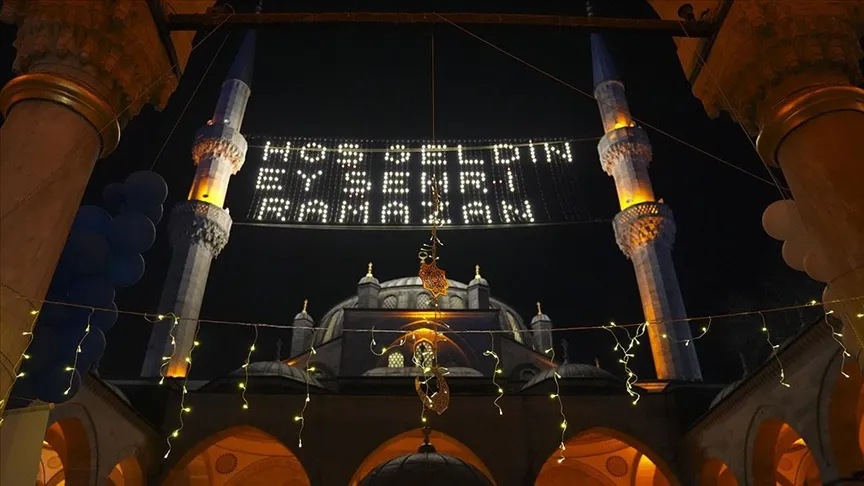
Ramadan Guide 2026: Comprehensive Insights from Islamic Archives
Ramadan-i Sharif: The Season of Spiritual Purification
Ramadan is not just a month of fasting for the Islamic world; it is a season of spiritual renewal, social solidarity, and re-establishing a profound connection with the Holy Quran. In this comprehensive guide, we explore every detail from the history of the first fast to the performance of the Tarawih prayer in the light of original Islamic archives.
What is Ramadan? Etymological and Terminology Depth
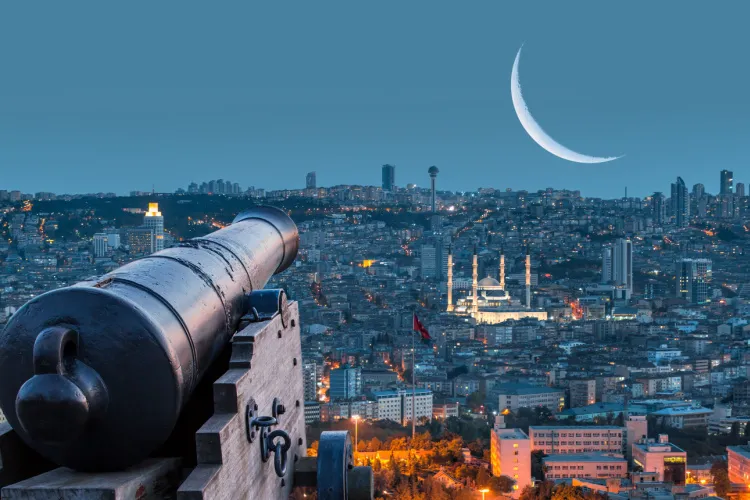
What is Ramadan? Etymological and Terminology Depth
The word Ramadan originates from the Arabic root “r-m-d.” Lexically, it is believed to derive from “ramad” (burning under intense sunlight) or “ramadiy” (the rain that falls at the end of summer and cleanses the earth from dust). According to interpretations in Islamic archives, this name is given because fasting “burns away” the sins of the believer or because this month washes and purifies the stains of sin in the hearts. Terminology-wise, it is the holy month in which fasting, one of the five pillars of Islam, is ordained.
When Was the First Fast Ordained? (Historical Process)
In the early years of Islam, Muslims only fasted on the day of Ashura. However, 18 months after the Hijra, in the month of Shaban in 624 AD (2 AH), fasting during Ramadan was made obligatory. When the 183rd verse of Surah Al-Baqarah, the heart of the Quran, was revealed, the Islamic community was invited to an organized discipline of worship for the first time. The Prophet Muhammad (PBUH) fasted a total of 9 Ramadans throughout his life.
What is Fasting (Sawm)? More Than Just Hunger
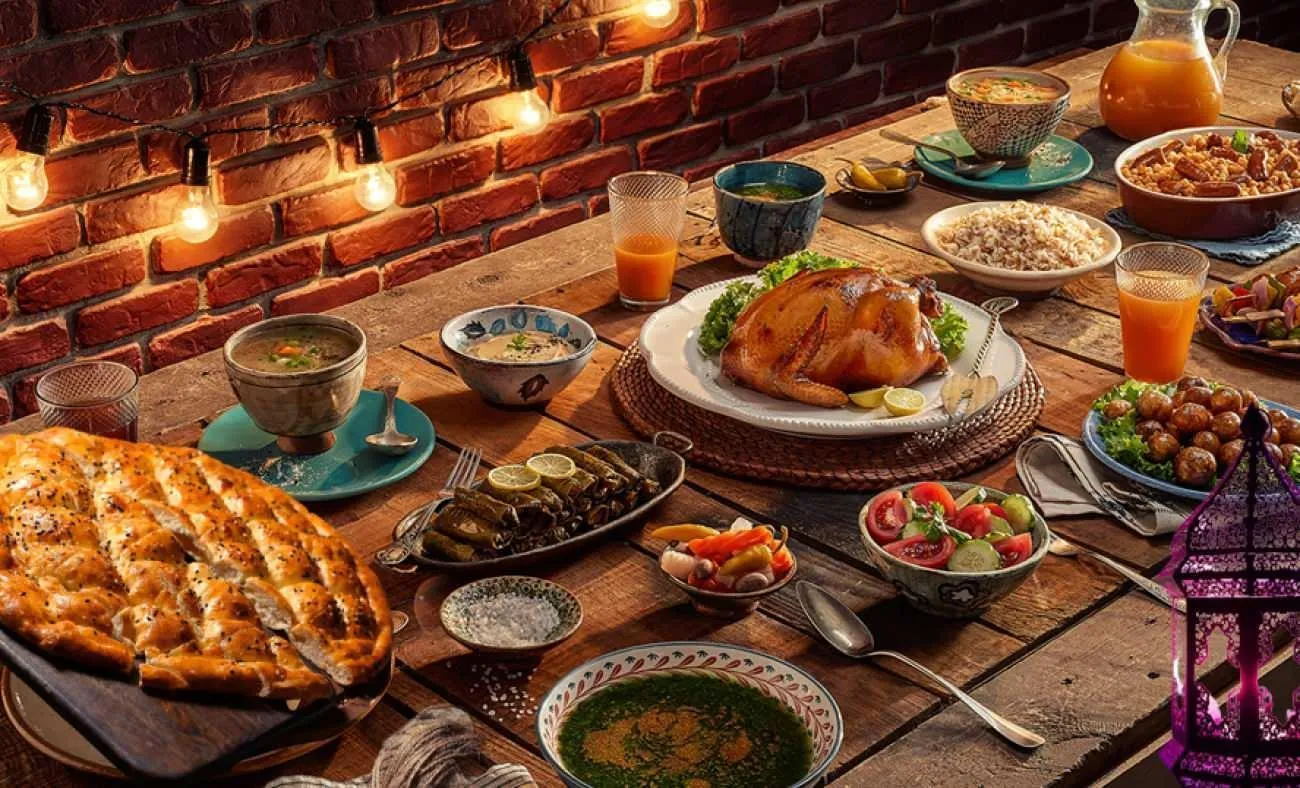
What is Fasting (Sawm)? More Than Just Hunger
In Islamic jurisprudence (fiqh), fasting is defined as “abstaining from eating, drinking, and sexual relations with intention, from the break of dawn (imsak) until sunset (iftar).” However, great Islamic scholars like Imam Ghazali divide fasting into three degrees:
-
Fasting of the General Public: Controlling the stomach and physical desires.
-
Fasting of the Pious: Guarding all limbs—hands, feet, eyes, ears, and tongue—from everything sinful.
-
Fasting of the Elite: Completely purifying the heart from everything other than Allah (Masiva).
Verses Regarding Ramadan (From the Quranic Archives)
Ramadan is the “Season of the Quran” because it is the month in which the Holy Quran was revealed.
-
Al-Baqarah 183: “O you who have believed, decreed upon you is fasting as it was decreed upon those before you that you may become righteous.”
-
Al-Baqarah 185: “The month of Ramadan [is that] in which was revealed the Qur’an, a guidance for the people and clear proofs of guidance and criterion…”
Hadiths Regarding Ramadan (From the Hadith Collections)
-
Hadith Qudsi: “Every deed of the son of Adam is for him, except fasting; for it is for Me and I shall reward it.” (Bukhari)
-
Hadith Sharif: “When the month of Ramadan begins, the gates of Heaven are opened, the gates of Hell are closed, and the devils are chained.” (Bukhari & Muslim)
The Spiritual Zenith: Laylat al-Qadr and Itikaf
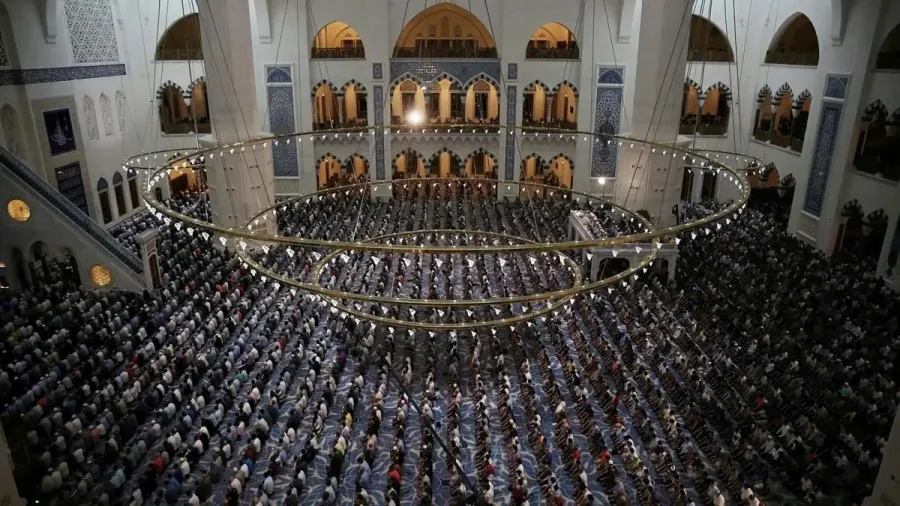
The Spiritual Zenith: Laylat al-Qadr and Itikaf
Laylat al-Qadr: The Night Better Than a Thousand Months
Laylat al-Qadr (The Night of Decree) is the night when the Holy Quran was sent down to the lowest heaven.
-
Significance: The Quran describes it as “better than a thousand months.”
-
The Prayer: The Prophet (PBUH) recommended this supplication: “O Allah, You are Forgiving and love forgiveness, so forgive me.”
Itikaf: The Soul’s Escape from Worldly Turmoil
Itikaf is the practice of a Muslim staying in a mosque (or for women, a designated room at home) for the purpose of worship, completely disconnecting from the outside world.
-
Timing: It is a Sunnah to perform it during the last ten days of Ramadan.
-
Purpose: To focus entirely on Allah, hold one’s soul accountable, and seek Laylat al-Qadr with an awake heart.
How to Perform Tarawih Prayer?
Tarawih is a special Sunnah prayer performed after the Isha prayer during Ramadan.
-
Intention: “I intend to perform the Tarawih prayer for the sake of Allah.”
-
Performance: It is usually performed in sets of 2 or 4 units (rakats), totaling 20 rakats in most traditions.
-
Resting: Short prayers or praises (salawat) are recited during the breaks between every 4 rakats.
Frequently Asked Questions (FAQ)
1. Does forgetting to eat break the fast? No. If a person eats or drinks out of forgetfulness, the fast remains valid. They should continue as soon as they remember.
2. What is Mukabela? It is the tradition of reciting and following the Quran aloud, commemorating the tradition between Archangel Gabriel and Prophet Muhammad (PBUH) every Ramadan.


Previous Post
Next Post
Advertisement