Now Reading: Is Satanism Older Than All Religions? The Dark Origins of Belief
-
01
Is Satanism Older Than All Religions? The Dark Origins of Belief
Is Satanism Older Than All Religions? The Dark Origins of Belief

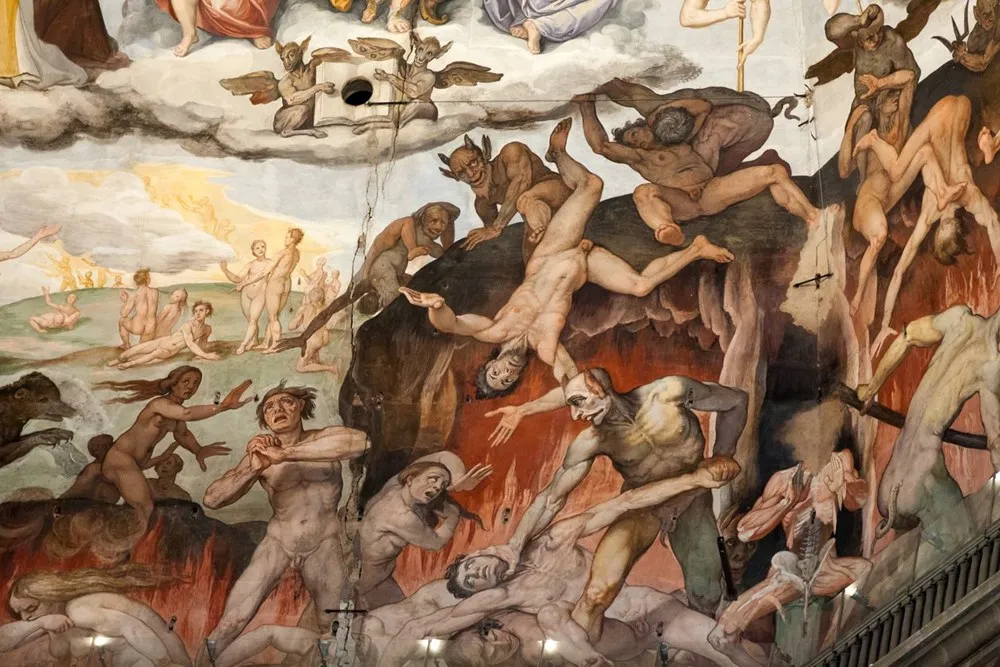
Is Satanism Older Than All Religions? The Dark Origins of Belief
When we think of Satanism, most people envision the modern Church of Satan founded in 1966 or the counter-culture movements of the 20th century. However, a persistent question haunts the halls of religious history: Could the concept of “The Adversary” actually predate the very religions that oppose it? In 2026, as we peel back the layers of ancient theology, the line between “the first belief” and “the ultimate rebel” becomes increasingly blurred.
The Evolution of the “Accuser”
The Evolution of the “Accuser”
To understand if Satanism is “old,” we must first define what we mean by Satan. The term itself is derived from the Hebrew word ha-satan, which originally meant “the accuser” or “the adversary”. In early Judaic texts, this figure was not a king of hell, but a servant of God tasked with testing the faith of humanity—most notably seen in the Story of Job.
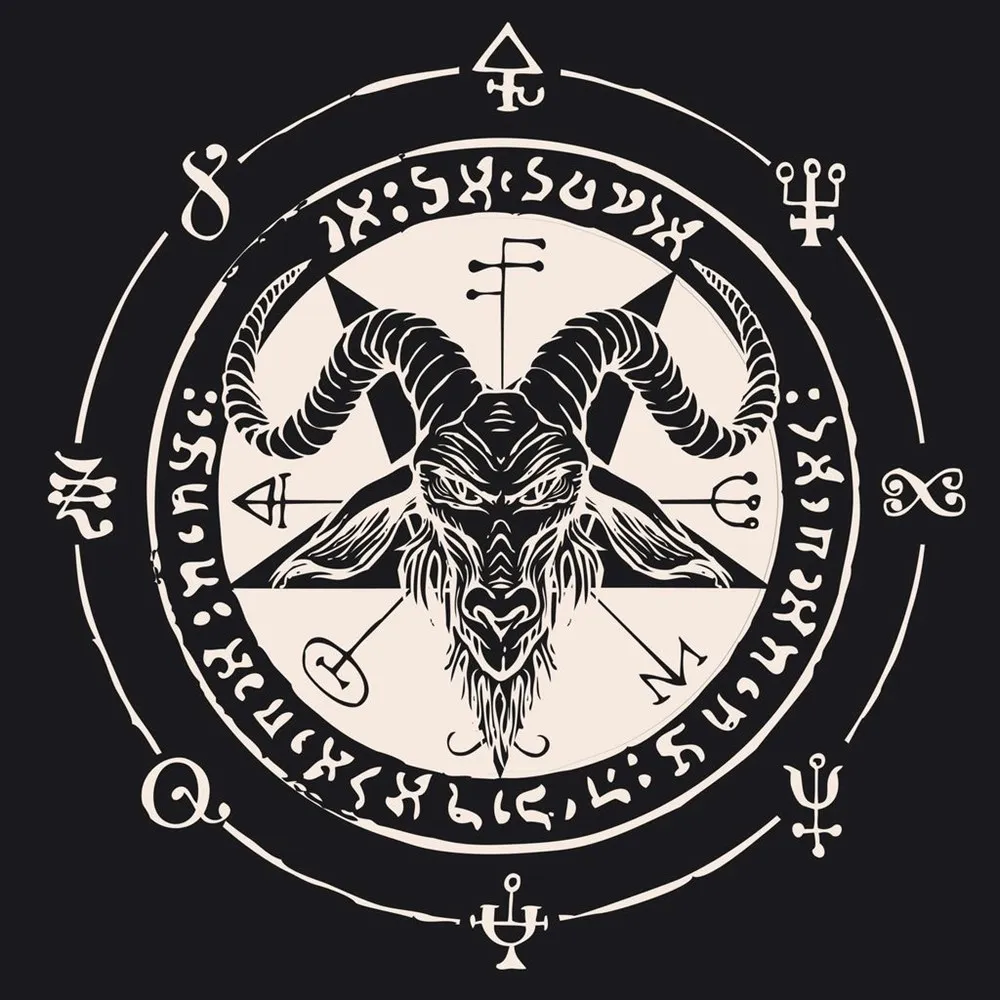
However, the imagery we associate with Satanism today—the goat-headed figures and horned deities—finds its roots in even older, pre-Abrahamic pagan traditions. Many scholars argue that the “Satan” we know is a composite character, built from the remnants of ancient nature gods like the Greek Pan or the Egyptian Set.
Before Organized Faith: The Archetype of Rebellion

Before Organized Faith: The Archetype of Rebellion
If we view Satanism not as a modern organized group but as the archetype of rebellion against a divine order, then it is as old as human consciousness itself. Some independent researchers suggest that “Satanic” practices are actually distorted versions of primordial shamanism and animism that existed tens of thousands of years before the first temples of Mesopotamia were built.
By the time Christianity began to spread, many of these “older” practices were simply labeled as “Satanism” to discredit them, creating a historical illusion that the devil worship followed the church, when in fact, the rituals being labeled were far more ancient.
Britney Spears in Epstein Files: The Shocking 2011 “Cloning” Allegations
(FAQ)
Was the Church of Satan the first organization? No. While it is the most famous organized group (founded by Anton LaVey in 1966), various underground occult circles and “Satanic” cults existed in Europe for centuries before him, often as a form of political or social rebellion.
Is there a connection to ancient Egyptian or Sumerian gods? Yes. Modern occultists often draw parallels between Satan and ancient figures like Set (Egypt) or Enki (Sumer), claiming these figures represent a “forbidden knowledge” that predates the concept of sin.
Did Satan exist before Christianity? Technically, yes. The figure of an “accusing angel” existed in Judaism long before the New Testament was written. However, the concept of a totally evil “Lord of Hell” is a later development in Christian and Islamic theology.
Mevzi Intelligence (Commentary)
The debate over whether Satanism is “older” than other religions is more than just a historical trivia; it is a battle over the origins of human freedom. At Mevzi Global, we analyze this not as a religious debate, but as a sociological one. If “Satan” represents the first rebel, then Satanism is the shadow that has always accompanied the light of organized authority. In 2026, the resurgence of these ancient archetypes suggests that humanity is once again looking for answers outside the traditional “walls” of faith.


Previous Post
Next Post


Advertisement